
Does Microneedling Hurt? What It Really Feels Like
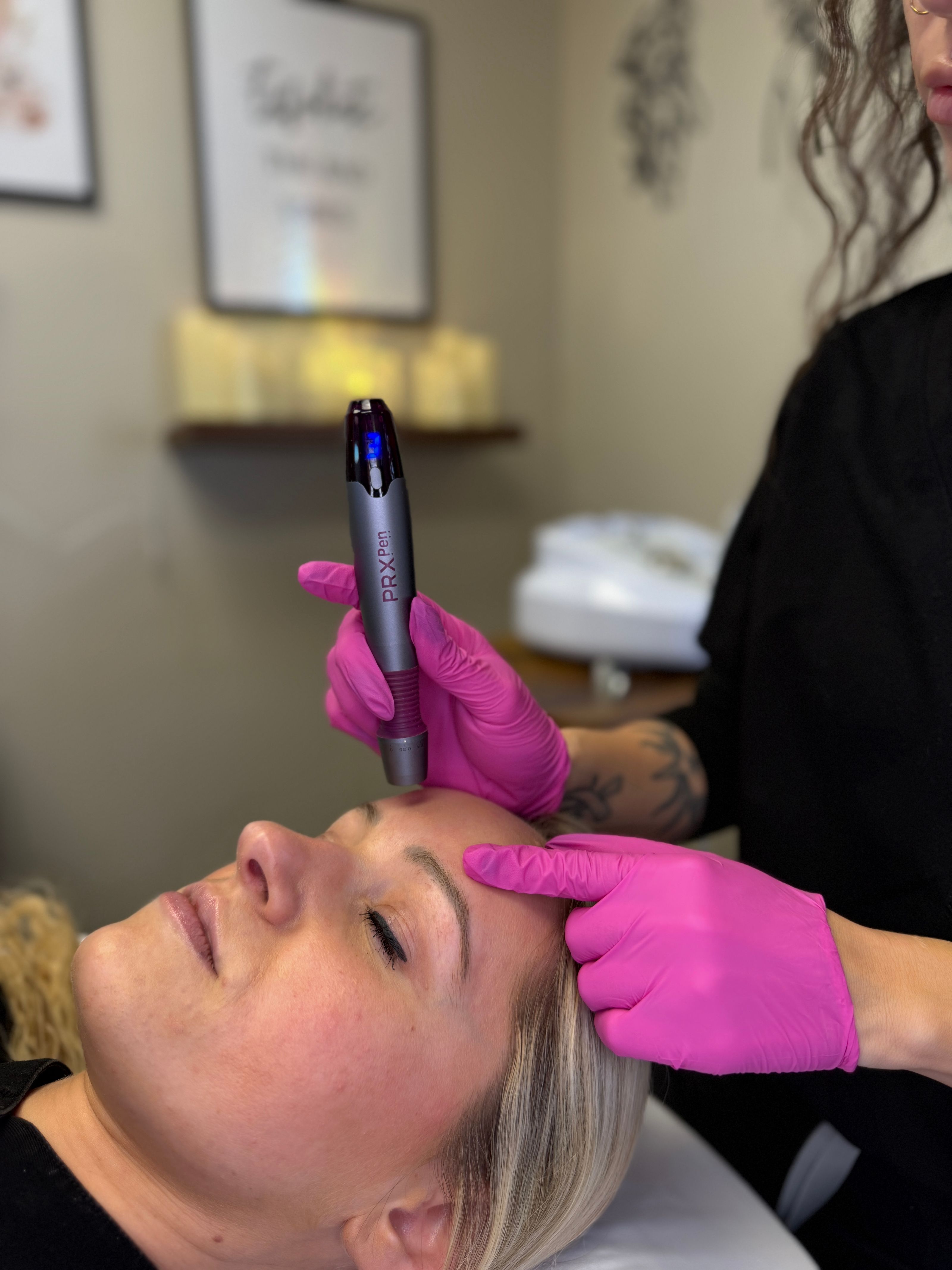
Microneedling sounds a little scary at first because it involves tiny needles touching the skin. The good news is that most people describe the feeling as uncomfortable, not unbearable.
The pain level depends on your skin, the treatment area, needle depth, and whether numbing cream is used.
Understanding what to expect can help you feel more confident before booking your session. Keep reading to see what microneedling really feels like from start to finish.
Key Takeaways
- Microneedling may hurt a little, but most people find it tolerable.
- Numbing cream can make the treatment much more comfortable.
- Sensitive areas like the forehead, nose, and upper lip may feel stronger.
- After treatment, skin may feel warm, tight, or sunburned for 1 to 3 days, though redness or swelling may last up to about 5 days.
- New You Aesthetics in Crown Point, Indiana is a great choice for personalized microneedling and skin-refreshing treatments.
Does Microneedling Hurt? The Honest Answer
Microneedling can cause mild to moderate discomfort, but it is usually not as painful as people expect. Most clients say it feels like light scratching, tiny pinches, or a vibrating sensation across the skin.
With numbing cream, the treatment often feels very manageable. Some spots may still feel more sensitive, especially where the skin is thinner or closer to bone.
Common Sensations During Microneedling
What Microneedling Feels Like During the Treatment
During microneedling, a device with tiny needles creates controlled micro-injuries in the skin. These tiny channels help trigger the skin’s natural repair process.
The feeling can change depending on the area being treated. Fuller areas like the cheeks may feel easier, while bony areas like the forehead may feel sharper.
You may feel:
- A buzzing or vibrating motion
- Tiny pinches moving across the face
- More pressure in scarred or textured areas
- Slight stinging near the nose, lips, or hairline
What Affects Microneedling Pain Level
Not everyone feels microneedling the same way. Your comfort level depends on several simple factors.
The biggest pain factors include needle depth, skin sensitivity, treatment area, and your own pain tolerance. A skilled provider can adjust the treatment to keep it effective and comfortable.
Pain Factors at a Glance
Needle Depth and Treatment Strength
Deeper microneedling can feel stronger because the needles reach farther into the skin. Deeper settings may be used for acne scars, wrinkles, or deeper texture concerns.
Lighter treatments usually feel easier and may be used for glow, mild texture, or early skin aging.
Treatment Area
Some areas of the face are more sensitive than others. The forehead, nose, upper lip, and jawline may feel more noticeable.
The cheeks usually feel more comfortable because they have more cushion.
Skin Sensitivity
If your skin is already dry, irritated, sunburned, or inflamed, microneedling may feel more uncomfortable. That is why providers often recommend avoiding harsh products before treatment.
Healthy, calm skin usually handles the procedure better.
Does Numbing Cream Help Microneedling Hurt Less?

Numbing cream can make a big difference in comfort. Most professional microneedling treatments use topical numbing before the procedure starts.
After numbing, many people feel pressure and vibration more than sharp pain. The treatment may still feel stronger in sensitive spots, but it is usually very tolerable.
Numbing cream may help reduce:
- Stinging
- Prickling
- Sharp sensations
- Skin sensitivity during treatment
Does Microneedling Hurt After the Treatment?
After microneedling, the skin often feels warm, tight, and sensitive. Many people compare it to a mild sunburn.
This feeling often improves within 1 to 3 days, though redness or swelling can last up to about 5 days. Redness, dryness, and light flaking can also happen as the skin begins to heal.
Normal after-treatment feelings include:
- Warmth
- Tightness
- Mild burning
- Light swelling
- Dry or rough texture
- Tenderness when touching the skin
Microneedling is a medical cosmetic procedure, so it should be done by a trained, licensed professional using proper equipment. Possible risks include infection, scarring, pigment changes, bleeding, bruising, and irritation, especially if the skin is not treated properly.
How to Make Microneedling Less Painful
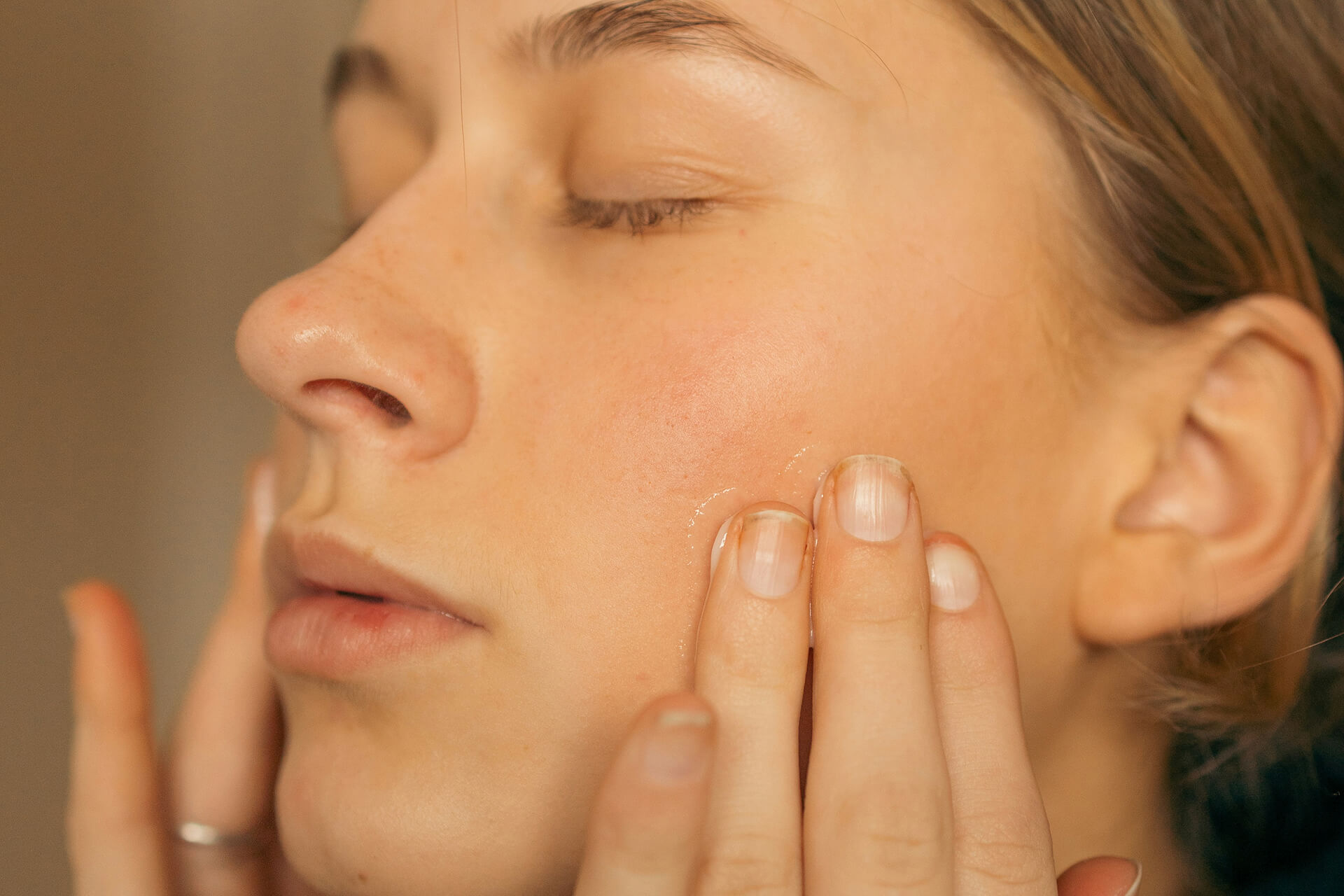
A comfortable microneedling experience starts before the appointment. Good preparation and the right provider can make the treatment much easier.
Professional care also matters because the device, depth, pressure, and aftercare plan should match your skin goals. New You Aesthetics, a med spa in Crown Point, Indiana, offers personalized treatments designed to refresh your appearance, restore confidence, and enhance the features that make you uniquely you.
Helpful ways to reduce discomfort:
- Choose an experienced provider
- Use numbing cream when recommended
- Avoid retinoids before treatment if advised
- Do not treat inflamed or irritated skin
- Keep your skin hydrated
- Follow aftercare instructions closely
Microneedling Pain vs Results
Microneedling is not completely painless, but the discomfort is usually short. For many people, the results make the temporary sensitivity worth it.
Microneedling is commonly used to improve the look of acne scars, facial wrinkles, uneven tone, and skin texture. Results vary based on skin type, treatment depth, and the number of sessions.
Conclusion
Microneedling can hurt a little, but it is usually very manageable, especially with numbing cream and a trained provider. Most people describe it as uncomfortable rather than truly painful, with the strongest feeling in sensitive areas like the forehead, nose, and upper lip.
The after-feeling is usually mild and temporary, often like a sunburn that improves within a few days. For more helpful guides and tips about this topic and other aesthetic treatments, visit and consider New You Aesthetics for treatments like dermal fillers, sculptra, microneedling, lasers and skin resurfacing, micro-infusion treatments, and more.
Glow Confidently, Feel the Difference ✨
Ready to improve your skin texture and boost your natural glow? Microneedling can help smooth, refresh, and renew your skin with minimal downtime. New You Aesthetics, a med spa in Crown Point, Indiana, offers expert treatments designed to enhance your features while keeping results natural and balanced. Every session is tailored to your skin goals so you leave feeling confident and refreshed.
Book your personalized treatment at New You Aesthetics →
Frequently Asked Questions About Microneedling
Does microneedling hurt more on certain parts of the face?
Yes, some areas can feel more sensitive than others. The forehead, nose, upper lip, and jawline may feel stronger because the skin is thinner or closer to bone. The cheeks are often more comfortable because they have more softness and cushion.
How long does microneedling pain last?
Most discomfort during microneedling stops soon after the treatment is finished. Afterward, the skin may feel warm, tight, or tender for 24 to 72 hours. This usually improves each day as the skin begins to calm down.
Can numbing cream make microneedling painless?
Numbing cream can make microneedling much more comfortable, but it may not make it completely painless. You may still feel pressure, vibration, or mild stinging in sensitive areas. Most people find the treatment easy to tolerate with numbing.
What does your face look like 2 days after microneedling?
Two days after microneedling, your face may still look slightly red or pink. The skin may also feel dry, tight, or a little rough. Some people notice light flaking as the skin starts to renew.
How bad will I look right after microneedling?
Right after microneedling, your skin may look red, flushed, or sunburned. Some people also have mild swelling or tiny pinpoint marks. This is usually temporary and often looks calmer within a day or two.
Visit Us


.png)
Monday: Closed
Tuesday: 10 AM – 6 PM
Wednesday: 9 AM – 5 PM
Thursday: 9 AM – 5 PM
Friday: 9 AM – 4 PM
Saturday: 9 AM –1 PM
Sunday: Closed

Med spa in Crown Point, Indiana offering treatments designed to refresh your appearance, restore confidence, and enhance the features that make you uniquely you.


.svg)