
Facial Balancing Before and After: What Results Can You Expect?

Facial balancing has become one of the most requested aesthetic treatments for people who want natural-looking improvements without surgery. Rather than focusing on a single feature, facial balancing takes a comprehensive approach to the face, looking at how different areas work together to create overall harmony.
Many people considering treatment search for facial balancing before and after photos to see what kind of results are possible. While these images can be helpful, understanding the process behind the transformation is just as important. The best results are not about changing how you look. They are about enhancing your natural features and creating better balance between them.
Whether you are concerned about a weak chin, lack of jawline definition, volume loss, or overall facial proportions, facial balancing can help create a more harmonious appearance while still looking like you.
Keep reading to learn what facial balancing before and after results can look like, how treatment works, and what factors influence your outcome.
Key Takeaways
- Facial balancing focuses on improving overall facial harmony rather than changing a single feature.
- Results may include improved proportions, enhanced contour, and better balance between facial features.
- Dermal fillers are commonly used to support facial balancing goals without surgery.
- Many patients notice immediate improvement, with final results becoming more refined as swelling settles.
- New You Aesthetics offers personalized facial balancing treatments designed to achieve natural-looking results.
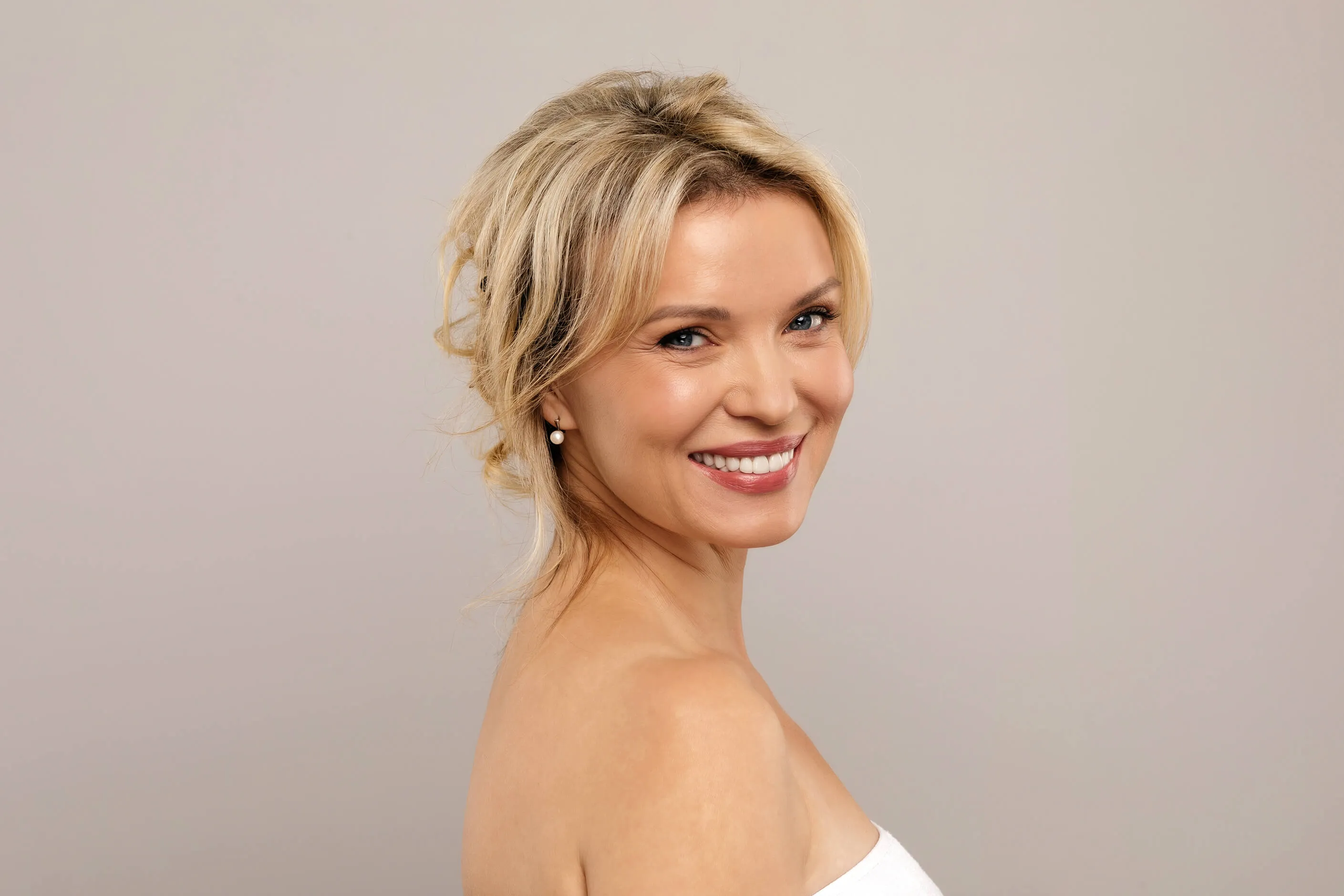
What Is Facial Balancing?
Facial balancing is a customized aesthetic approach that focuses on the relationship between different facial features. Instead of treating one area in isolation, the goal is to evaluate the face as a whole and improve overall proportion and harmony.
Every face is unique. A feature that appears too prominent or too subtle may not actually need to be changed. In many cases, improving balance elsewhere in the face can create a more harmonious appearance.
For example:
- A weak chin can make the nose appear larger
- Volume loss in the cheeks can affect facial contour
- Lack of jawline definition can impact profile balance
- Lip proportions can influence overall facial harmony
Facial balancing looks at how these features work together rather than focusing on a single concern.
Why a Full-Face Assessment Matters
One of the biggest misconceptions about facial balancing is that the concern you notice is always the area that needs treatment.
For example, someone who feels their nose looks prominent may actually benefit from chin enhancement. Likewise, volume loss in the cheeks can affect the appearance of the lower face and jawline.
Because aging affects the face as a whole, the best results come from evaluating facial proportions, structure, and volume together rather than treating individual features in isolation.
This full-face approach helps create natural-looking results that enhance harmony without making you look like a different person.
Facial Balancing Before and After: What Changes Can You Expect?
Facial balancing before and after results often show subtle improvements that make a significant difference in overall appearance. The goal is not to make the face look dramatically different. Instead, treatment aims to improve proportions while preserving natural features.
Improved Facial Proportions
One of the most noticeable changes after facial balancing is improved proportion between different areas of the face. Small adjustments can help create a more balanced relationship between the forehead, nose, lips, chin, and jawline.
Better Side Profile
Many patients seek facial balancing because they are unhappy with their profile. Enhancing the chin, jawline, or other areas can improve facial projection and create a smoother transition between features when viewed from the side.
More Defined Jawline
Jawline enhancement can create additional structure and contour. This may help the lower face appear more defined while maintaining a natural look.
Enhanced Chin Projection
A chin that appears recessed or under-projected can affect overall facial balance. Carefully placed filler may improve chin projection and create better harmony between the upper and lower face.
Restored Midface Volume
Volume loss in the cheeks can contribute to a tired or hollow appearance. Restoring support in the midface may improve contour and help create a more youthful-looking facial structure.
Better Feature Harmony
Perhaps the biggest difference in facial balancing before and after results is that the face often appears more balanced overall. Rather than drawing attention to one specific feature, the entire face tends to appear more harmonious.
Facial Balancing Before and After Results by Treatment Area
Different treatment areas contribute to facial balance in different ways.
The combination of treatment areas varies from person to person. Every plan should be tailored to the individual's facial anatomy and goals.
How Is Facial Balancing Performed?
Facial balancing begins with a comprehensive consultation and facial assessment.
Rather than focusing on a single concern, the provider evaluates the face from multiple angles to understand how different features relate to one another.
During the assessment, factors such as:
- Facial proportions
- Symmetry
- Volume distribution
- Profile balance
- Skin quality
may all be considered.
Based on these findings, a personalized treatment plan is created.
Dermal fillers are commonly used during facial balancing because they allow providers to add support, structure, and volume in specific areas without surgery.
The exact treatment approach depends on the individual's goals and anatomy.
Facial Balancing Timeline: When Will You See Results?
One of the advantages of facial balancing is that many improvements can be seen immediately after treatment.
However, final results often continue to refine as swelling improves.
What to Expect After Treatment
Because everyone heals differently, individual timelines may vary.
Who Is a Good Candidate for Facial Balancing?
Facial balancing may be a good option for adults who want to improve facial harmony without surgery.
Common concerns include:
- A weak or recessed chin
- Lack of jawline definition
- Volume loss in the cheeks
- Facial asymmetry
- Profile concerns
- Desire for subtle enhancement
The best candidates are typically looking for natural-looking improvements rather than dramatic changes.
A consultation can help determine whether facial balancing aligns with your goals.
Does Facial Balancing Look Natural?
One of the biggest concerns people have before treatment is whether facial balancing will look obvious or overdone.
When performed thoughtfully, facial balancing should look natural.
The goal is not to create exaggerated features or dramatically change your appearance. Instead, treatment should enhance existing features and improve overall balance.
Natural-looking results often include:
- Better facial harmony
- Improved contour
- Balanced proportions
- Preserved facial expression
- Subtle enhancement rather than obvious change
Injector skill plays an important role in achieving these outcomes.
Facial Balancing vs Traditional Filler Treatments
Traditional filler treatments often focus on a single area, such as the lips or cheeks.
Facial balancing takes a broader approach.
Instead of asking, "How can we improve this feature?" the question becomes:
"How can we improve harmony across the entire face?"
For example, someone seeking lip enhancement may actually benefit from additional chin support to improve overall facial proportions.
This whole-face approach often produces more balanced and natural-looking results.
Why Treatment Planning Matters
Facial balancing is not about using the most filler. It is about using the right amount in the right places.
Careful planning helps ensure that each treatment complements the rest of the face.
Factors such as facial anatomy, age, volume loss, and aesthetic goals should all be considered before treatment begins.
A personalized approach helps create results that feel balanced, natural, and appropriate for each individual.
Conclusion
Facial balancing is about creating harmony, not changing who you are. By looking at the face as a whole rather than focusing on a single feature, this approach can improve proportions, enhance facial contours, and create a more balanced appearance.
Facial balancing before and after results often show subtle but meaningful improvements that help patients look refreshed, confident, and naturally enhanced. Whether the goal is improving profile balance, restoring volume, or creating better facial symmetry, a personalized treatment plan can help achieve results that complement your unique features.
For more helpful guides and insights about facial balancing, dermal fillers, skin rejuvenation, and aesthetic treatments, visit New You Aesthetics.
Ready to Enhance Your Natural Facial Harmony?
If you're looking for a non-surgical way to improve facial proportions and create a more balanced appearance, facial balancing may be the right option for you. New You Aesthetics offers personalized facial balancing treatments designed to enhance your natural features while maintaining facial harmony and expression.
Every treatment plan is customized to your goals, anatomy, and vision for your appearance. Whether you're interested in improving your profile, enhancing facial contours, or restoring lost volume, the focus is always on achieving natural-looking results that still look like you.
Book your consultation at New You Aesthetics today.
Frequently Asked Questions About Facial Balancing
What is facial balancing?
Facial balancing is a customized aesthetic approach that focuses on improving harmony between facial features. Rather than treating a single area, the treatment plan considers how different features work together to create overall facial balance. Dermal fillers are commonly used to support these goals without surgery.
How long do facial balancing results last?
The longevity of facial balancing results depends on the products used, treatment areas, and individual factors such as metabolism. Many dermal filler treatments can last several months to more than a year. Your provider can discuss expected longevity during your consultation.
Does facial balancing require surgery?
No. Facial balancing is commonly performed using non-surgical treatments such as dermal fillers. These treatments can improve facial proportions, contour, and harmony without the downtime associated with surgery.
Can facial balancing look natural?
Yes. When performed by an experienced provider, facial balancing should enhance your natural features rather than dramatically change them. The goal is to create balance and proportion while preserving facial expression and individuality.
How much filler is needed for facial balancing?
The amount of filler varies from person to person. Some patients may need treatment in one or two areas, while others may benefit from a more comprehensive approach. A consultation and facial assessment are the best ways to determine an appropriate treatment plan.
Visit Us


.png)
Monday: Closed
Tuesday: 10 AM – 6 PM
Wednesday: 9 AM – 5 PM
Thursday: 9 AM – 5 PM
Friday: 9 AM – 4 PM
Saturday: 9 AM –1 PM
Sunday: Closed

Med spa in Crown Point, Indiana offering treatments designed to refresh your appearance, restore confidence, and enhance the features that make you uniquely you.


.svg)