
How Long Does Botox Last? Timeline, Results, and What Affects Neurotoxin Longevity
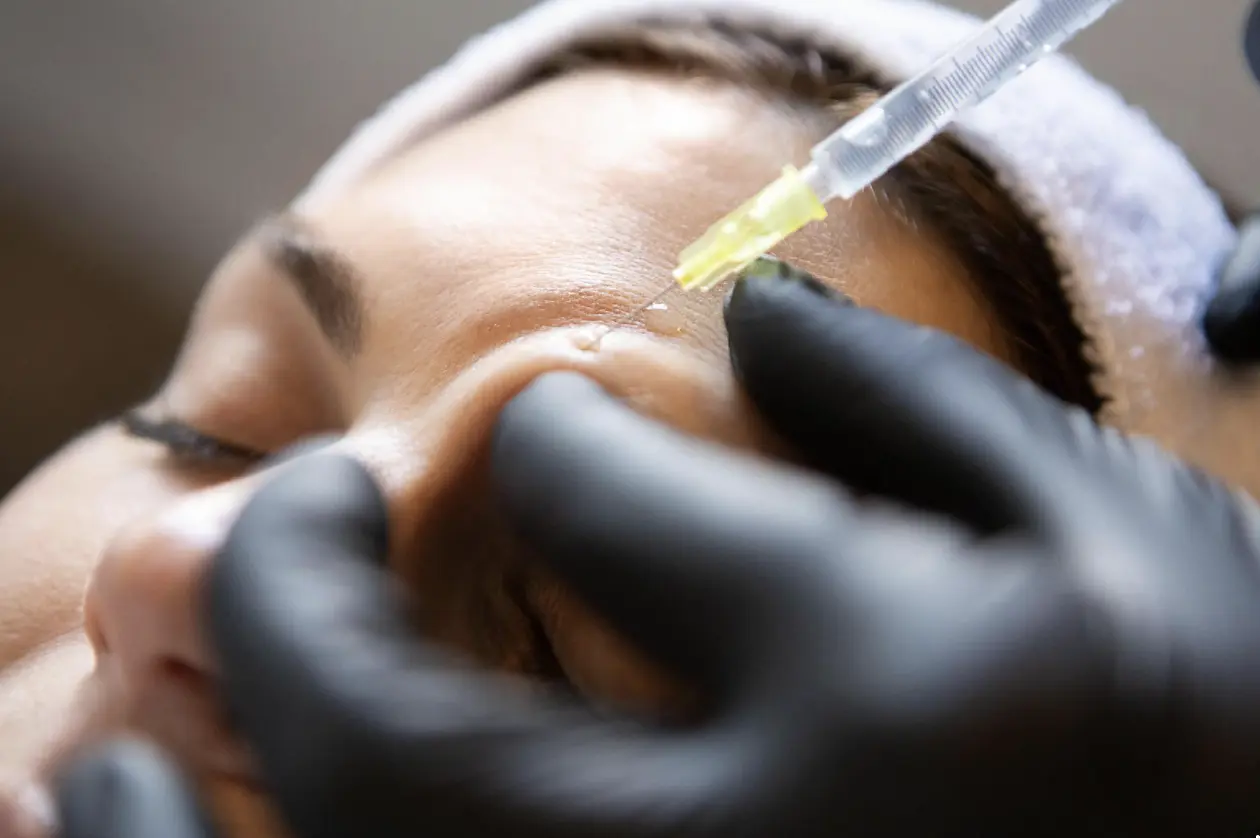
Botox remains one of the most popular cosmetic treatments, helping millions of people reduce the appearance of fine lines and wrinkles without surgery. Whether you're considering treatment for the first time or planning your next appointment, one question almost always comes up:
How long does Botox last?
The answer depends on several factors, including the treatment area, your metabolism, muscle activity, and the specific neurotoxin used. While most people enjoy smoother-looking skin for several months, individual results can vary.
Understanding what to expect can help you plan your treatments and maintain natural-looking results over time. Keep reading to learn how long Botox typically lasts, what affects its longevity, and how to get the most from your treatment.
Key Takeaways
- Botox results typically last about 3 to 4 months for most patients.
- Initial results often begin appearing within a few days, with full results visible in about 10 to 14 days.
- Treatment area, muscle strength, metabolism, and dosage can all affect how long results last.
- Consistent treatments may help maintain smoother-looking skin over time.
- New You Aesthetics offers personalized neurotoxin treatments designed to support natural-looking, balanced results.
What Is Botox and How Does It Work?
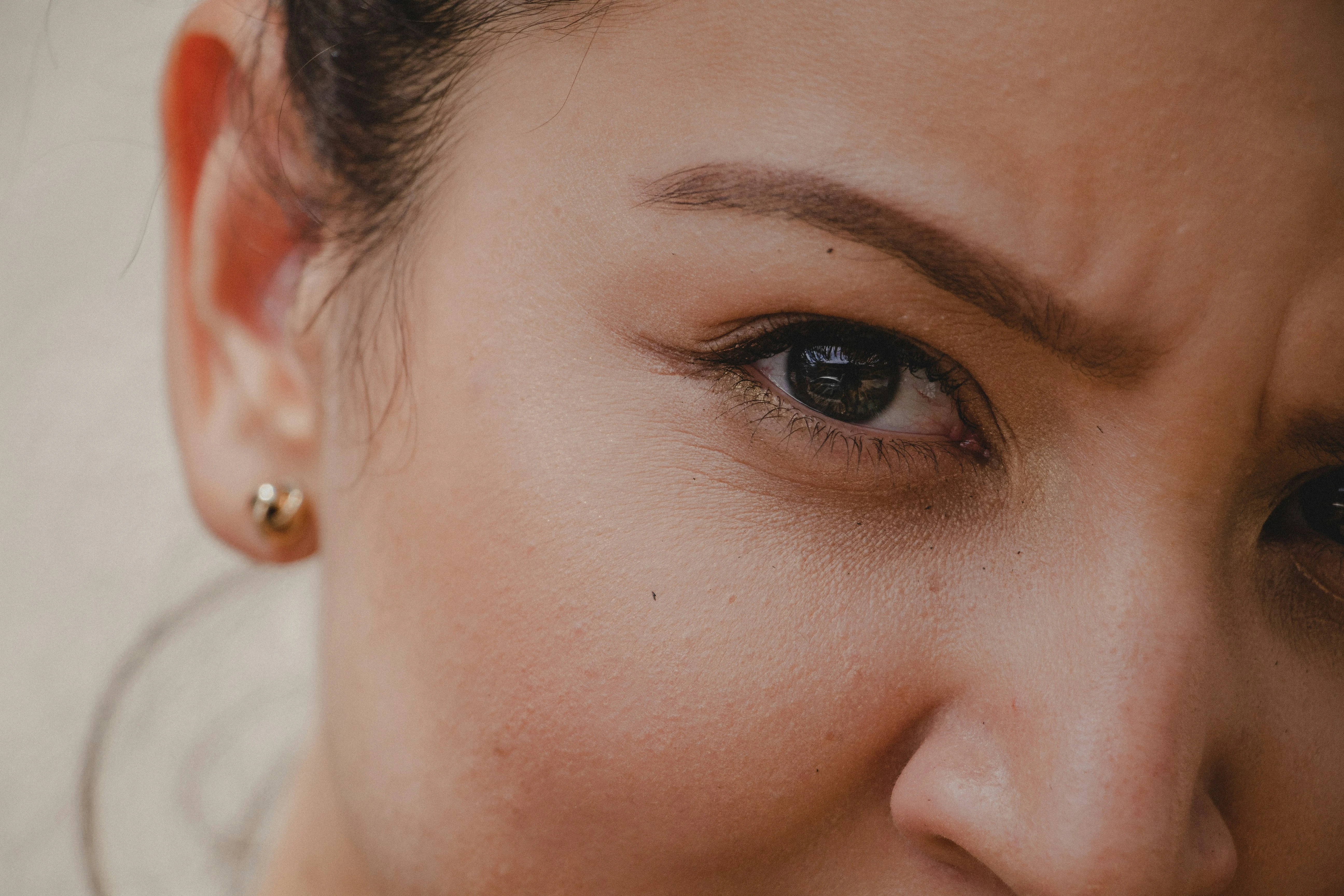
Botox is a type of neurotoxin used to temporarily relax specific facial muscles that contribute to expression lines and wrinkles. These lines often develop from repeated facial movements such as smiling, squinting, raising the eyebrows, or frowning.
During treatment, small amounts of Botox are injected into targeted muscles. The medication blocks the signals that tell those muscles to contract. As muscle activity decreases, the skin above the area appears smoother and more refreshed.
Botox does not change your facial features or permanently stop muscle movement. When administered properly, the goal is to soften lines while allowing natural facial expressions to remain intact.
Common treatment areas include:
- Forehead lines
- Frown lines between the eyebrows
- Crow's feet around the eyes
- Chin dimpling
- Neck bands
Botox is one of several neurotoxin options available today. Similar products work in comparable ways but may differ slightly in onset time, spread, and duration.
Neurotoxin Options Available at New You Aesthetics
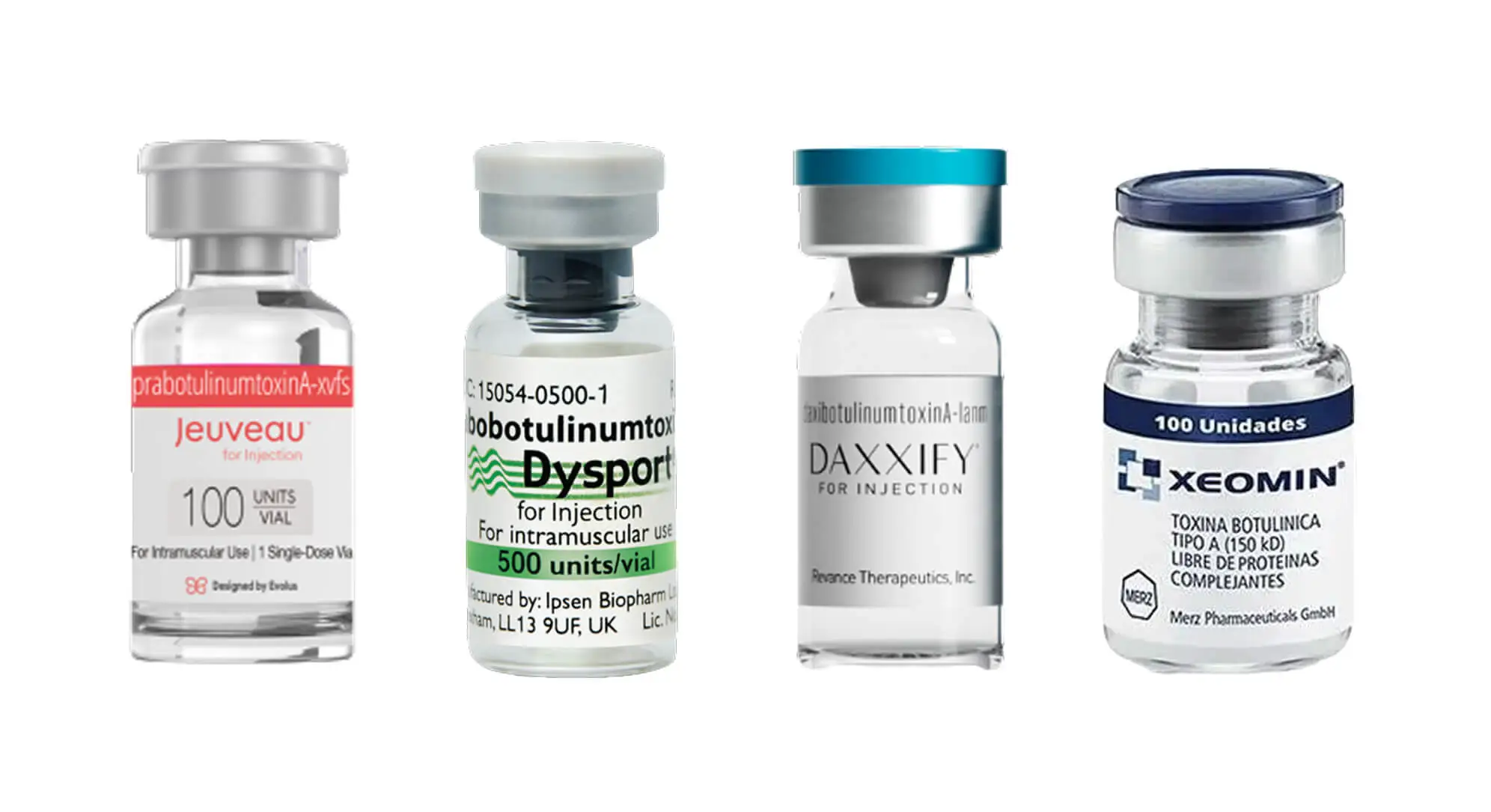
Many people use the term “Botox” to describe all wrinkle-relaxing injections, but Botox is actually just one brand within a larger category called neurotoxins.
At New You Aesthetics, we offer several trusted neurotoxin options, including Jeuveau, Dysport, Daxxify, and Xeomin. Each product works similarly by temporarily relaxing targeted facial muscles, but they may differ slightly in onset time, spread, and longevity.
During your consultation, we’ll evaluate your facial anatomy, muscle movement, treatment goals, and lifestyle to determine which option is the best fit for you.
How Long Does Botox Last?
For most people, Botox results last approximately 3 to 4 months. However, there is no single timeline that applies to everyone.
Some individuals may notice results lasting closer to 3 months, while others continue seeing benefits for 4 months or longer. Factors such as muscle strength, metabolism, treatment area, and treatment history can all influence duration.
When Botox Starts Working
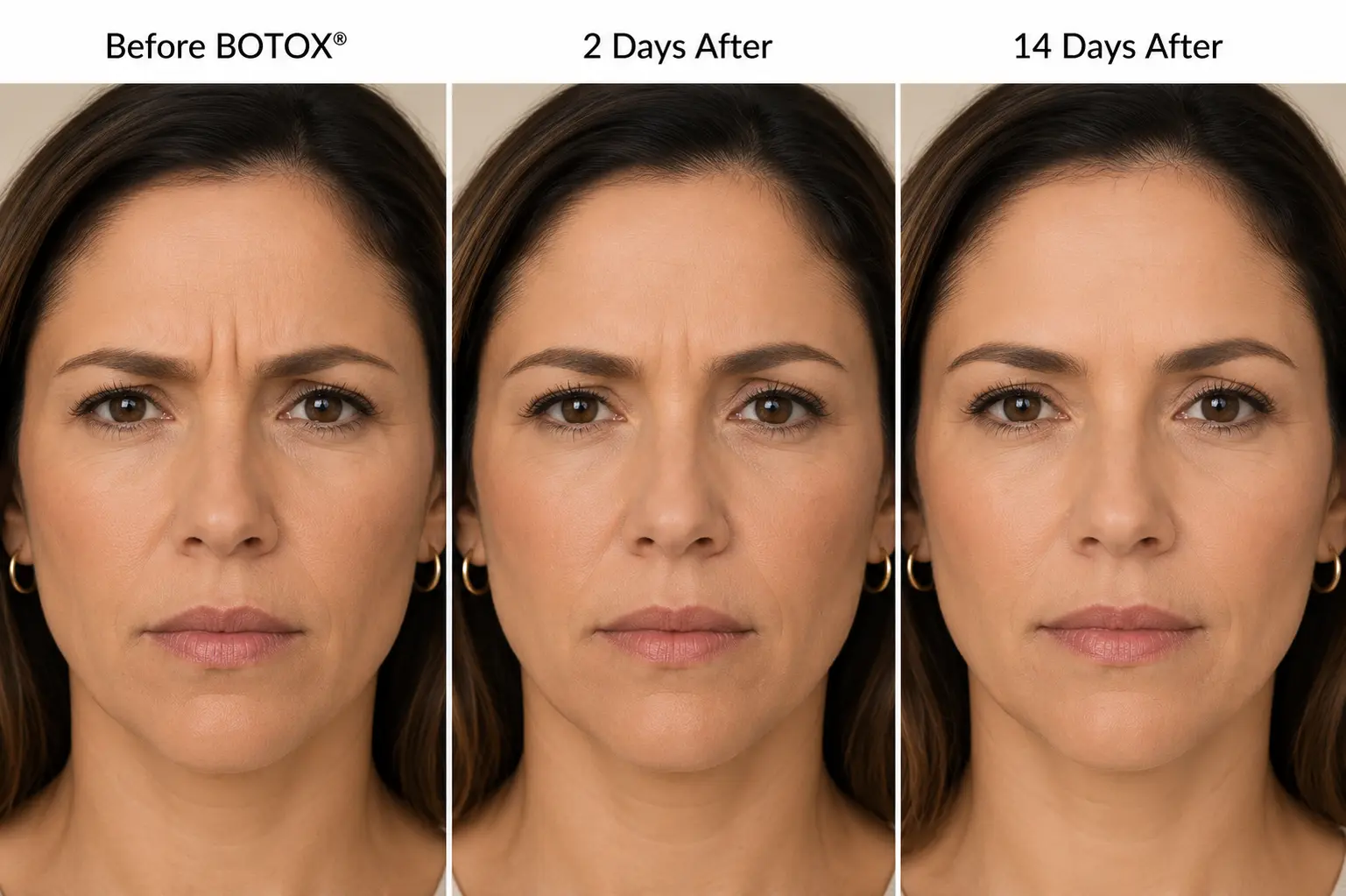
Botox does not produce immediate results.
After treatment, the medication begins interacting with nerve endings in the targeted muscles. This process takes time.
Most patients notice:
- Early improvements within 3 to 5 days
- Continued softening over the first week
- Full results within 10 to 14 days
Because results develop gradually, it's important to allow enough time before evaluating your final outcome.
Why Botox Wears Off
Botox is temporary because the body gradually restores communication between nerves and muscles.
As these nerve signals return:
- Muscle movement slowly increases
- Expression lines become more noticeable
- Wrinkle reduction gradually fades
This process happens over time rather than all at once, which is why most people notice a gradual return of movement rather than a sudden change.
Botox Results Timeline
Botox results develop gradually over several weeks. Understanding the typical timeline can help set realistic expectations and prevent unnecessary concern during the first few days after treatment.
What to Expect After Botox Treatment
Everyone responds differently, so your timeline may vary slightly based on the treatment area and individual factors.
What Affects How Long Botox Lasts?
Several factors can influence how long Botox results remain visible. Understanding these variables can help explain why one person's results may last longer than another's.
Treatment Area
Different facial muscles move at different rates and strengths.
For example:
- Crow's feet may respond differently than forehead lines
- Strong frown muscles can sometimes regain movement sooner
- Larger treatment areas may require a customized approach
The treatment area is one of the biggest factors affecting longevity.
Muscle Strength
People with stronger facial muscles often use those muscles more frequently throughout the day. Over time, this can influence how quickly muscle activity returns.
For example, someone who naturally has strong frown lines may notice results wearing off sooner than someone with less muscle movement in that area.
Metabolism
Your body's natural metabolism can affect how quickly Botox is processed.
Some highly active individuals report that their results do not last as long as expected. While research on this is still evolving, metabolism is believed to play a role in treatment duration.
Dosage and Injection Technique
Proper dosing and injection placement are important for achieving balanced, long-lasting results.
An experienced injector considers:
- Facial anatomy
- Muscle activity
- Treatment goals
- Product selection
A personalized treatment plan often produces more consistent outcomes than a one-size-fits-all approach.
Treatment Consistency
Many patients find that maintaining a regular treatment schedule helps keep wrinkles softer over time.
Rather than waiting until all movement returns, some people choose maintenance appointments based on their provider's recommendations.
Does Botox Last Longer Over Time?
One of the most common questions patients ask is whether Botox lasts longer after multiple treatments.
In some cases, it can.
When certain muscles are repeatedly relaxed over time, they may become less active than they were before treatment. As a result, some patients notice that wrinkles appear softer and that results seem to last longer with consistent treatments.
However, individual experiences vary.
Factors such as age, muscle strength, metabolism, and treatment frequency all influence long-term results. The best approach is to work with your provider to develop a treatment schedule that fits your goals.
How to Make Botox Last Longer
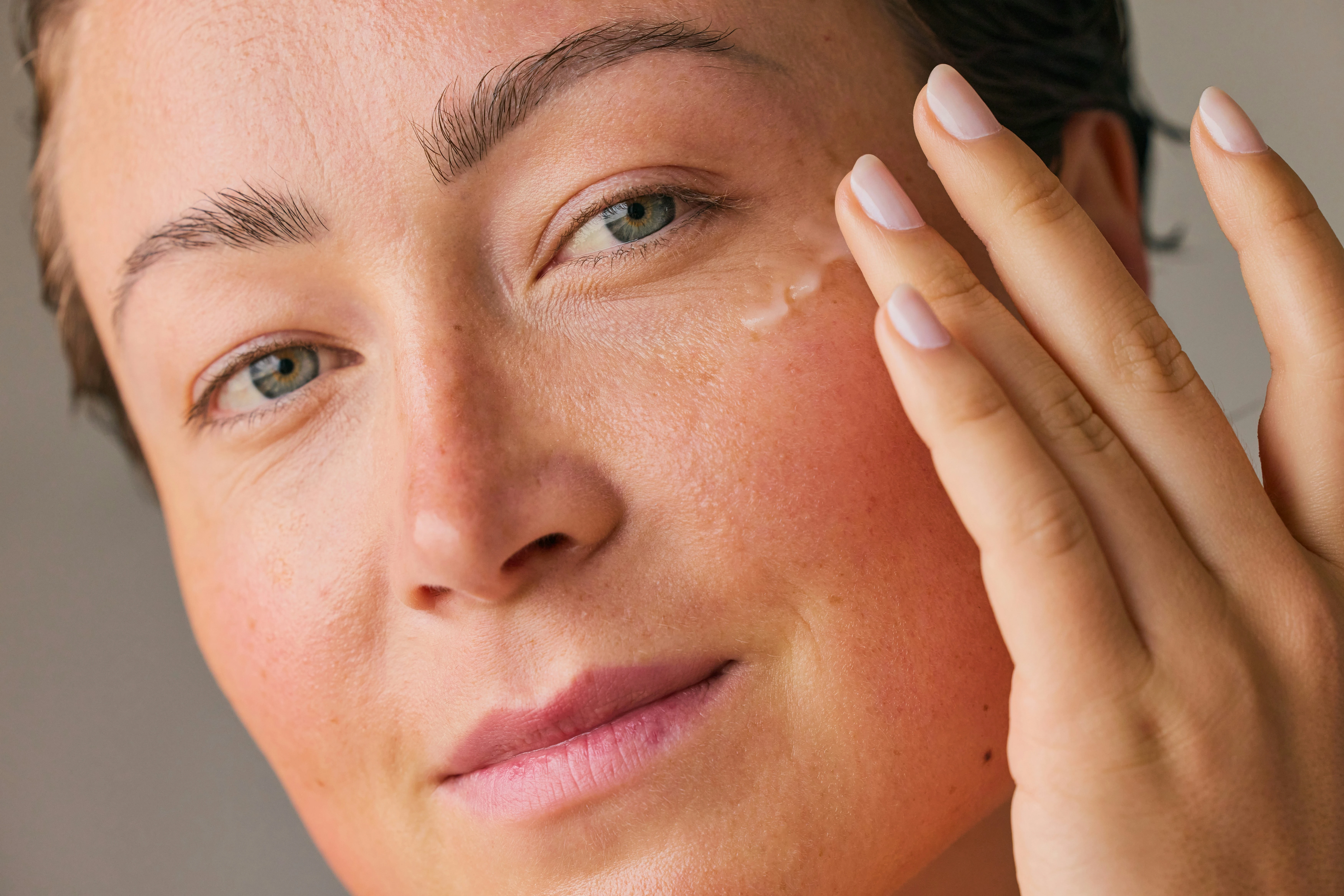
While no method can stop Botox from naturally wearing off, a few simple habits may help you maintain your results.
Follow Aftercare Instructions
Your provider will give you specific instructions after treatment.
These recommendations help support optimal results and may include guidance about physical activity, pressure on the treatment area, and other post-treatment considerations.
Stay Consistent With Appointments
Waiting too long between appointments may allow muscle activity to fully return.
Many patients find that consistent maintenance treatments help preserve smoother-looking skin.
Protect Your Skin From Sun Damage
Sun exposure contributes to premature skin aging and wrinkle formation.
Daily sunscreen use and proper skin protection can help maintain the appearance of your results while supporting overall skin health.
Maintain a Healthy Skincare Routine
A quality skincare routine can complement Botox by helping improve skin texture, hydration, and overall appearance.
Many patients combine neurotoxin treatments with other aesthetic services to support comprehensive facial rejuvenation.
Signs Your Botox Is Wearing Off
Botox does not suddenly stop working overnight.
Instead, most people notice a gradual return of muscle movement over time.
Common signs include:
- Forehead lines becoming more noticeable
- Increased movement when raising your eyebrows
- Crow's feet reappearing during smiling
- Frown lines becoming more visible
- Less smoothness in previously treated areas
These changes usually happen gradually over several weeks.
If you're unsure whether it's time for a touch-up, your provider can evaluate your results and recommend the most appropriate next step.
Botox vs Other Neurotoxins: Does Longevity Differ?
While Botox is the most widely recognized neurotoxin brand, it is not the only option available. Several other FDA-approved neurotoxins are used to soften expression lines and reduce the appearance of wrinkles.
Products such as Dysport, Jeuveau, Xeomin, and Daxxify work in a similar way by temporarily relaxing targeted facial muscles. However, they may differ slightly in how quickly results appear, how the product spreads within the treatment area, and how long results last.
Some patients find that certain products work better for their facial anatomy or treatment goals. For example, Daxxify has gained attention for its potential to provide longer-lasting results for some individuals, while others prefer the performance of Dysport, Jeuveau, or Xeomin.
Because every face is different, the best neurotoxin is not always the one that lasts the longest. Factors such as muscle activity, treatment area, dosage, and injector technique all play an important role in achieving natural-looking, balanced results.
A personalized consultation can help determine which neurotoxin option is best suited to your needs and aesthetic goals.
Conclusion
Botox remains one of the most effective non-surgical options for reducing expression lines and maintaining a refreshed appearance. While results typically last about 3 to 4 months, factors such as muscle strength, treatment area, metabolism, and treatment consistency can all influence longevity.
Understanding what to expect before treatment can help you plan ahead and maintain natural-looking results over time. Whether you're new to neurotoxins or looking to maintain your current results, a personalized treatment plan can make all the difference.
For more helpful guides and insights about aesthetic treatments, skin rejuvenation, and wellness services, visit New You Aesthetics.
Ready to Maintain Smoother, Natural-Looking Results?
If you're considering neurotoxin treatments or looking to maintain your current results, professional guidance can help you achieve a refreshed appearance while preserving natural facial movement. New You Aesthetics offers personalized neurotoxin treatments designed to soften expression lines, enhance facial balance, and support natural-looking results. Every treatment plan is tailored to your goals, facial anatomy, and unique needs.
Book your consultation at New You Aesthetics today.
Frequently Asked Questions About Botox
How long does Botox last in the forehead?
For most people, forehead Botox lasts about 3 to 4 months. Individual results can vary based on muscle strength, metabolism, dosage, and treatment history.
Does Botox wear off suddenly?
No. Botox gradually wears off as nerve signals return and muscle activity increases. Most people notice a slow return of movement rather than a sudden change.
Can Botox last longer than 4 months?
Yes. Some patients experience results that last longer than 4 months, particularly with consistent treatments and depending on individual factors.
How often should you get Botox?
Many people schedule maintenance treatments every 3 to 4 months. Your provider can recommend a timeline based on your goals and how your body responds to treatment.
Does exercise affect Botox longevity?
Some people believe that a faster metabolism may influence how long Botox lasts, but results vary from person to person. Factors such as muscle activity, treatment area, and dosage also play important roles.
Visit Us


.png)
Monday: Closed
Tuesday: 10 AM – 6 PM
Wednesday: 9 AM – 5 PM
Thursday: 9 AM – 5 PM
Friday: 9 AM – 4 PM
Saturday: 9 AM –1 PM
Sunday: Closed

Med spa in Crown Point, Indiana offering treatments designed to refresh your appearance, restore confidence, and enhance the features that make you uniquely you.


.svg)