
How Your Skin Changes in Your 20s, 30s, 40s, 50s and Beyond
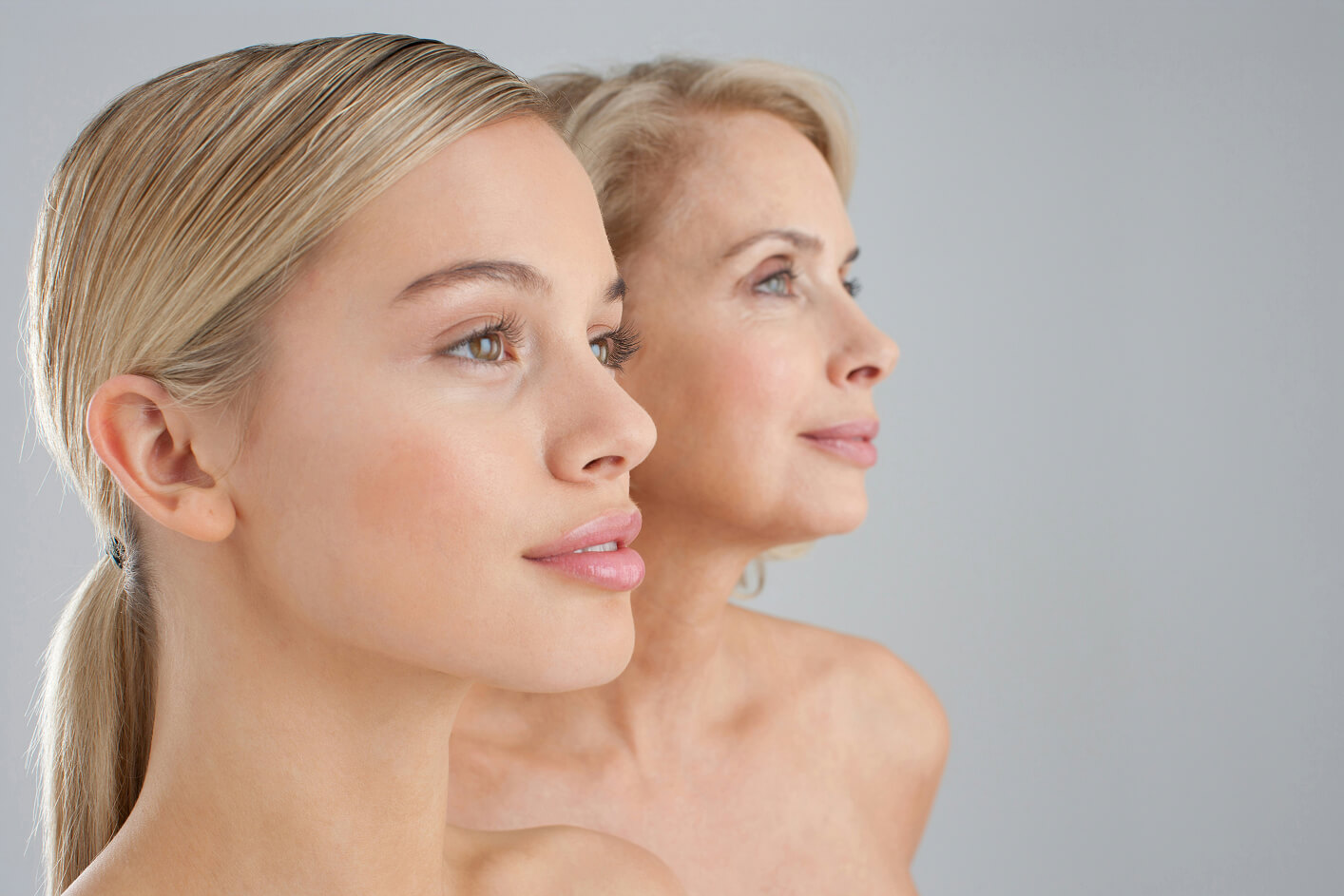
Healthy skin does not follow a single timeline. What you notice in your 20s can be very different from what changes in your 40s or 50s, and factors such as sun exposure, lifestyle, hormones, genetics, and everyday skincare habits can all play a role.
Your skin may still feel smooth and resilient in your 20s, while fine lines and changes in texture may become more noticeable in your 30s. By your 40s and 50s, changes in collagen, elasticity, pigmentation, hydration, and facial volume can become more apparent.
The good news is that caring for your skin is not about trying to stop the aging process. It is about understanding what your skin needs at each stage and choosing treatments and skincare habits that support healthy, natural-looking results.
Keep reading to learn what commonly changes in your 20s, 30s, 40s, and 50s and how your approach to skin health can evolve with you.
Key Takeaways
- Your skin's needs can change significantly from your 20s through your 50s and beyond.
- Your 20s are often a good time to focus on prevention, sun protection, acne, pigmentation, and overall skin health.
- In your 30s, fine lines, sun damage, and changes related to repetitive facial expressions may become more noticeable.
- Your 40s can bring more visible changes in collagen, firmness, pigmentation, facial volume, and skin hydration.
- In your 50s and beyond, continued changes in collagen, elasticity, volume, and hormonal balance may call for a broader approach to skin health.
- Aesthetic treatments should be based on your individual concerns and goals rather than your age alone.
- New You Aesthetics in Crown Point, Indiana takes a consultation-first approach to help determine which options make sense for you.
Your Skin in Your 20s
Your 20s are often a time when your skin is still naturally resilient. Collagen production and elasticity are generally strong, so many people are not thinking much about visible signs of aging yet. But that does not mean your skin is unaffected by what happens during this decade.
Daily sun exposure, stress, lifestyle habits, and inconsistent skincare can begin influencing your skin before obvious signs of aging appear. This is also a common time to deal with concerns such as acne, acne scars, enlarged pores, uneven texture, dullness, sensitivity, oiliness, sun damage, and hyperpigmentation.

Common Skin Concerns in Your 20s
Some common concerns during your 20s include:
- Acne and acne scars: Breakouts and lingering marks can affect skin tone and texture.
- Enlarged pores: Excess oil can make pores appear more noticeable.
- Uneven skin texture: Rough or irregular texture can make skin look less smooth.
- Dull skin: Stress, environmental exposure, and inconsistent skincare can affect your skin’s brightness.
- Sensitive or oily skin: Changes in oil production and sensitivity can make skincare more challenging.
- Sun damage and hyperpigmentation: Sun exposure can contribute to uneven pigmentation and skin tone.
Your 20s are a good time to build healthy skincare habits and address concerns you are already experiencing. If you are dealing with pigmentation, acne scars, or uneven texture, New You Aesthetics offers options such as facials, peels, microneedling, and skin-resurfacing treatments.
Prevention and Maintenance
Your 20s are a good time to establish habits that support long-term skin health. Daily broad-spectrum sunscreen, a consistent skincare routine, proper hydration, and healthy lifestyle habits can help protect your skin.
Professional treatments may also be helpful when you have a specific concern, such as acne scars, uneven texture, or pigmentation. New You Aesthetics offers options including facials, peels, microneedling, and skin-resurfacing treatments.
For more information about caring for your skin during this decade, explore the Aesthetic Treatments In Your 20s page.
Your Skin in Your 30s
Your 30s are often when the first noticeable signs of skin aging begin to appear. Collagen and elastin production gradually slow, which can affect firmness, texture, and elasticity.
Years of sun exposure, lifestyle habits, and repetitive facial expressions can also make certain lines more noticeable, particularly around the forehead, between the brows, and around the eyes.

Common Skin Concerns in Your 30s
Common concerns include fine lines, forehead lines, frown lines, crow’s feet, sun damage, hyperpigmentation, enlarged pores, and hair thinning.
These changes do not automatically mean you need aesthetic treatments. Daily sun protection and a consistent skincare routine remain important foundations for healthy-looking skin.
Prevention and Maintenance
Your 30s can be a good time to become more intentional about maintaining your skin. Daily broad-spectrum SPF 30+, moisturizing, and avoiding unnecessary UV exposure can help protect against premature skin aging.
If a specific concern becomes noticeable, professional treatments may be worth discussing. New You Aesthetics offers neurotoxins, microneedling, IPL, skin resurfacing, facials, and peels, depending on your skin concerns and goals.
For a closer look at common concerns and treatment options during this decade, explore the Aesthetic Treatments In Your 30s page.
Your Skin in Your 40s
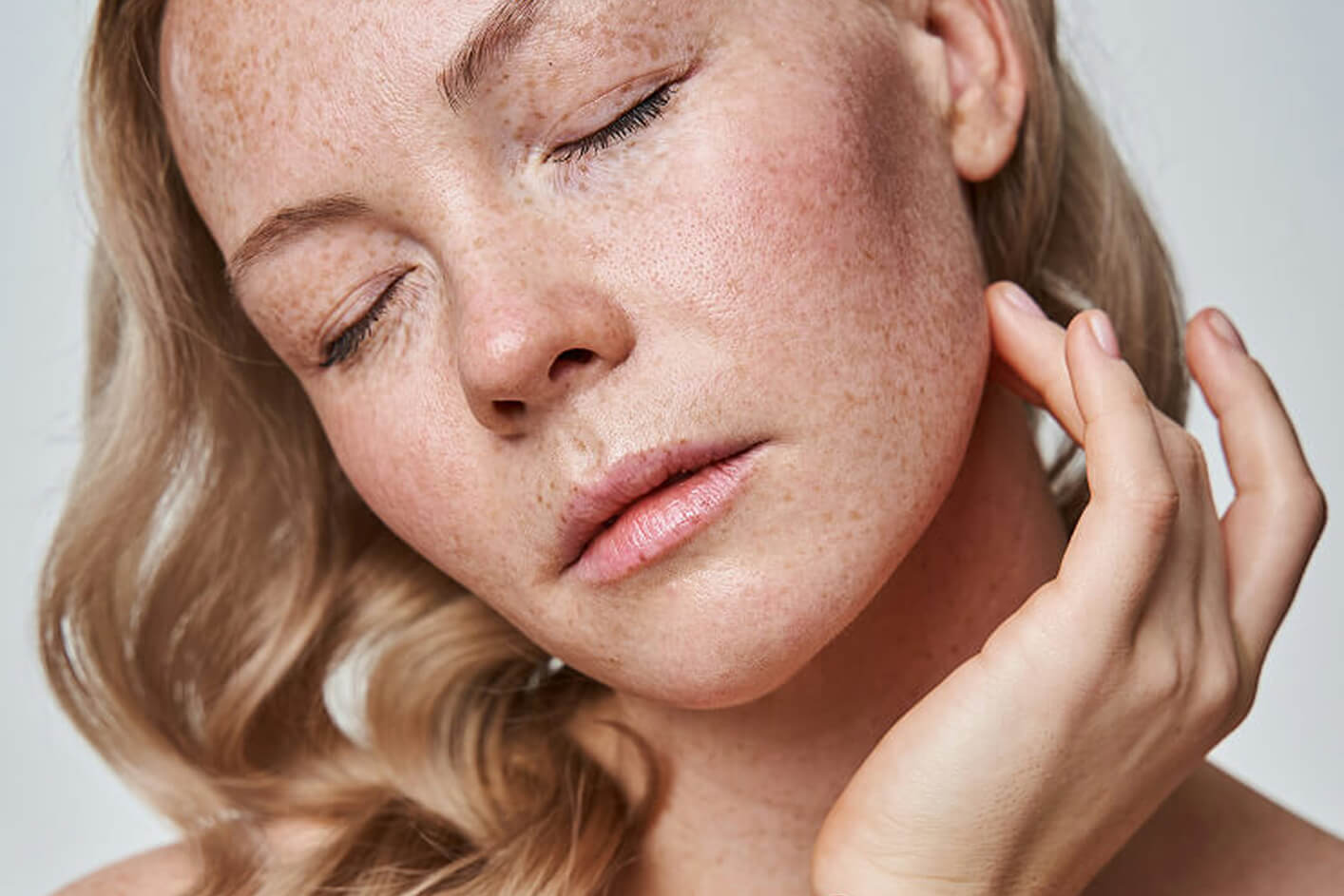
By your 40s, changes in collagen and elastin can become more noticeable, affecting your skin’s firmness, elasticity, texture, and ability to repair itself. Years of sun exposure can also contribute to pigmentation and changes in skin texture.
You may begin noticing deeper expression lines, volume loss, skin laxity, uneven pigmentation, dryness, and changes around the eyes and neck. Hormonal changes can also affect hydration and skin resilience during this stage of life.
Common Skin Concerns in Your 40s
Common concerns include fine lines, crow’s feet, skin laxity, volume loss, hyperpigmentation, melasma, neck lines, under-eye hollows, dark circles, and hair loss.
Because several concerns may appear at the same time, some people benefit from addressing skin quality, volume, and texture together rather than focusing on just one issue.
Treatment Options in Your 40s
The right treatment depends on what you want to improve. Neurotoxins may help soften expression lines, while dermal fillers can restore lost volume and refine facial contours. Treatments such as Sculptra and Radiesse can support gradual improvements in collagen and skin quality.
For concerns involving texture, pigmentation, or firmness, options such as microneedling, IPL, radiofrequency skin resurfacing, and skin tightening may also be considered.
The goal is not to make you look different. It is to address the changes that matter to you while maintaining natural-looking results. See what we recommend in the Aesthetic Treatments in Your 40s page.
Your Skin in Your 50s and Beyond
In your 50s and beyond, changes in collagen, elastin, hydration, and facial volume can become more noticeable. Hormonal changes, particularly around and after menopause, can also contribute to drier, thinner skin and changes in skin firmness.
You may notice deeper lines and wrinkles, increased skin laxity, volume loss, uneven pigmentation, dryness, under-eye changes, and more visible changes around the neck and jawline. Hair thinning or changes in hair density may also become a concern.

Common Skin Concerns in Your 50s and Beyond
Common concerns include wrinkles, skin laxity, volume loss, dryness, hyperpigmentation, age spots, uneven skin texture, neck lines, under-eye hollows, and hair thinning.
At this stage, skincare and aesthetic treatments are often less about preventing every sign of aging and more about maintaining skin quality, addressing specific concerns, and supporting a refreshed, natural appearance.
Treatment Options in Your 50s and Beyond
Treatment can vary widely depending on your skin, facial structure, and goals. Neurotoxins may help soften expression lines, while dermal fillers and collagen-stimulating treatments can address certain types of volume loss and changes in facial structure.
For skin texture, pigmentation, and firmness, treatments such as microneedling, IPL, radiofrequency skin resurfacing, and skin tightening may also be options.
There is no single treatment that is right for everyone in their 50s or beyond. A consultation can help determine which combination of skincare and aesthetic treatments makes sense for your concerns and desired results. Learn more about Aesthetic Treatments in Your 50s and Beyond here.
Does Your Age Determine Which Treatment You Need?
Your age can provide useful context, but it does not determine which aesthetic treatment you need. Two people of the same age can have very different skin concerns, facial anatomy, and goals.
Someone in their 30s may be more concerned about fine lines and sun damage, while another person may be focused on uneven skin texture or pigmentation. In the same way, someone in their 40s or 50s may be more concerned about volume loss, skin laxity, or changes around the eyes and neck.
That is why treatment should be based on your specific concerns and desired results, rather than choosing a procedure simply because it is recommended for a certain age group.
Consultations at New You Aesthetics focus on factors such as your skin quality, facial balance, muscle movement, concerns, and goals. This helps determine which treatments may be appropriate and whether you even need treatment at all.
The goal is always to make thoughtful improvements while keeping your results natural looking and true to you.
Skin Care Habits That Matter at Every Age
Although your skin changes over time, a few basic habits remain important throughout every decade.
- Protect your skin from the sun: Use broad-spectrum sunscreen with SPF 30 or higher and limit unnecessary UV exposure.
- Keep your skin hydrated: A consistent moisturizer can help support the skin barrier and reduce the appearance of dryness.
- Maintain a consistent skincare routine: Choose products based on your skin’s current needs rather than constantly changing your routine.
- Pay attention to changes: New or changing skin concerns are worth discussing with a qualified healthcare professional.
- Support your overall health: Healthy nutrition, adequate hydration, regular exercise, quality sleep, and avoiding smoking can all contribute to healthier-looking skin.
- Adjust your approach as your skin changes: What worked well in your 20s may not be what your skin needs in your 40s or 50s.
Good skincare does not have to become complicated with age. The most important thing is understanding your skin and making consistent choices that support its health over time.
When Should You Consider an Aesthetic Treatment?
There is no specific age when you need to start aesthetic treatments. The right time depends more on what you want to improve and how you feel about your skin.
You may consider treatment when a concern such as fine lines, pigmentation, uneven texture, volume loss, or skin laxity becomes noticeable and you want to address it. Some people choose treatments earlier to maintain their skin, while others wait until a concern becomes more apparent.
The important thing is not to choose a treatment simply because you have reached a certain age. A consultation can help you understand your options and determine whether treatment is appropriate for your goals.
At New You Aesthetics, every treatment begins with a consultation. Your provider can assess your skin, facial balance, muscle movement, and overall concerns before recommending an approach.
Whether you are interested in prevention, skin rejuvenation, or addressing visible signs of aging, the goal is the same: healthy, refreshed, natural-looking results that still look like you.
Conclusion
Your skin changes gradually throughout your 20s, 30s, 40s, and 50s, and your skincare and aesthetic needs can change along with it. From acne and pigmentation in your 20s to fine lines, volume loss, skin laxity, and changes in hydration later in life, every decade can bring different concerns.
There is no single treatment plan that works for everyone. Understanding your skin and addressing your specific concerns can help you make informed choices while keeping your results natural-looking.
Whether you are focused on prevention, skin rejuvenation, or addressing visible signs of aging, the goal is not to change who you are, it is to help you look refreshed and feel confident at every stage.
Ready to Find the Right Approach for Your Skin?
Your skin deserves an approach that reflects where you are now not simply your age. Whether you are looking to prevent early signs of aging, improve skin texture, soften lines, or restore lost volume, the right treatment starts with understanding your concerns and goals.
At New You Aesthetics, every treatment begins with a consultation so you can discuss your concerns, explore your options, and determine what makes sense for you.
Ready to get started? Schedule a consultation with New You Aesthetics to create a thoughtful plan for your skin.
Frequently Asked Questions
1. Does your skin change every decade?
Yes. Skin gradually changes with age, and factors such as genetics, sun exposure, lifestyle, hormones, and skincare habits can influence how those changes appear.
2. What skin concerns are common in your 30s?
Fine lines, forehead lines, frown lines, crow’s feet, sun damage, hyperpigmentation, and changes in skin texture can become more noticeable during your 30s.
3. What happens to your skin in your 40s and 50s?
Changes in collagen, elasticity, hydration, and facial volume can become more noticeable. Fine lines, wrinkles, skin laxity, pigmentation, and volume loss may also become concerns.
4. What aesthetic treatments are available for aging skin?
Depending on your concerns, options may include neurotoxins, dermal fillers, Sculptra, Radiesse, microneedling, IPL, skin resurfacing, and skin tightening.
5. Do I need aesthetic treatments based on my age?
No. Age alone does not determine whether you need treatment. Your skin concerns, goals, facial anatomy, and desired results are more important factors to consider. A consultation can help you determine which options, if any, are appropriate.
Visit Us


.png)
Monday: Closed
Tuesday: 10 AM – 6 PM
Wednesday: 9 AM – 5 PM
Thursday: 9 AM – 5 PM
Friday: 9 AM – 4 PM
Saturday: 9 AM –1 PM
Sunday: Closed

Med spa in Crown Point, Indiana offering treatments designed to refresh your appearance, restore confidence, and enhance the features that make you uniquely you.


.svg)