
When Should You Start Treating Fine Lines?

Fine lines are a natural part of how skin changes over time. They may first appear subtly, often becoming more noticeable with repeated facial expressions, sun exposure, and gradual changes in collagen and skin elasticity.
There is no specific age when everyone should start treating fine lines. Some people notice them earlier, while others may not be concerned about them until later.
The important question is not simply “How old should I be?” but rather “What is changing in my skin, and do I want to address it?”
Keep reading to learn when fine lines may become noticeable, what can contribute to them, and what treatment options may be worth considering.
Key Takeaways
- Fine lines can develop gradually and may become more noticeable with age, sun exposure, and repeated facial expressions.
- There is no universal age for treating fine lines.
- Daily sun protection and consistent skincare remain important at every stage.
- Early treatment may help address subtle expression lines, while other treatments can target more established concerns.
- Your treatment should be based on your skin, concerns, and desired results rather than your age alone.
- New You Aesthetics in Crown Point, Indiana takes a consultation-first approach to help determine which options may be appropriate for your skin.
When Do Fine Lines Usually Start to Appear?
Fine lines can begin to appear earlier than many people expect, but there is no exact age when they develop. Genetics, sun exposure, skin type, lifestyle, and repeated facial movements can all influence when they become noticeable.
In your 20s and 30s, you may first notice fine lines when smiling, frowning, or making other facial expressions. Over time, some of these lines can become more visible even when your face is at rest as collagen and skin elasticity gradually change.
This does not mean you need treatment as soon as you notice your first line. For many people, this is simply a sign to become more intentional about sun protection, skincare, and monitoring changes in their skin.
When Should You Consider Treating Fine Lines?
Treatment may be worth considering when fine lines become noticeable enough that they bother you or when you want to address early expression lines before they become more established.
For some people, this may be in their 30s. Others may not feel the need for treatment until their 40s or later. There is no universal starting age.
What matters most is understanding what is causing the lines and choosing an approach that matches your goals.
What Causes Fine Lines to Become More Noticeable?
Fine lines develop for several reasons, and they are not caused by age alone. Some of the most common factors include:
Repeated facial expressions: Smiling, frowning, squinting, and other movements repeatedly fold the skin and can contribute to expression lines over time.

Sun exposure: UV exposure can damage collagen and contribute to premature skin aging and wrinkles.

Collagen and elastin changes: As you age, your skin gradually produces less collagen and loses some of its elasticity.
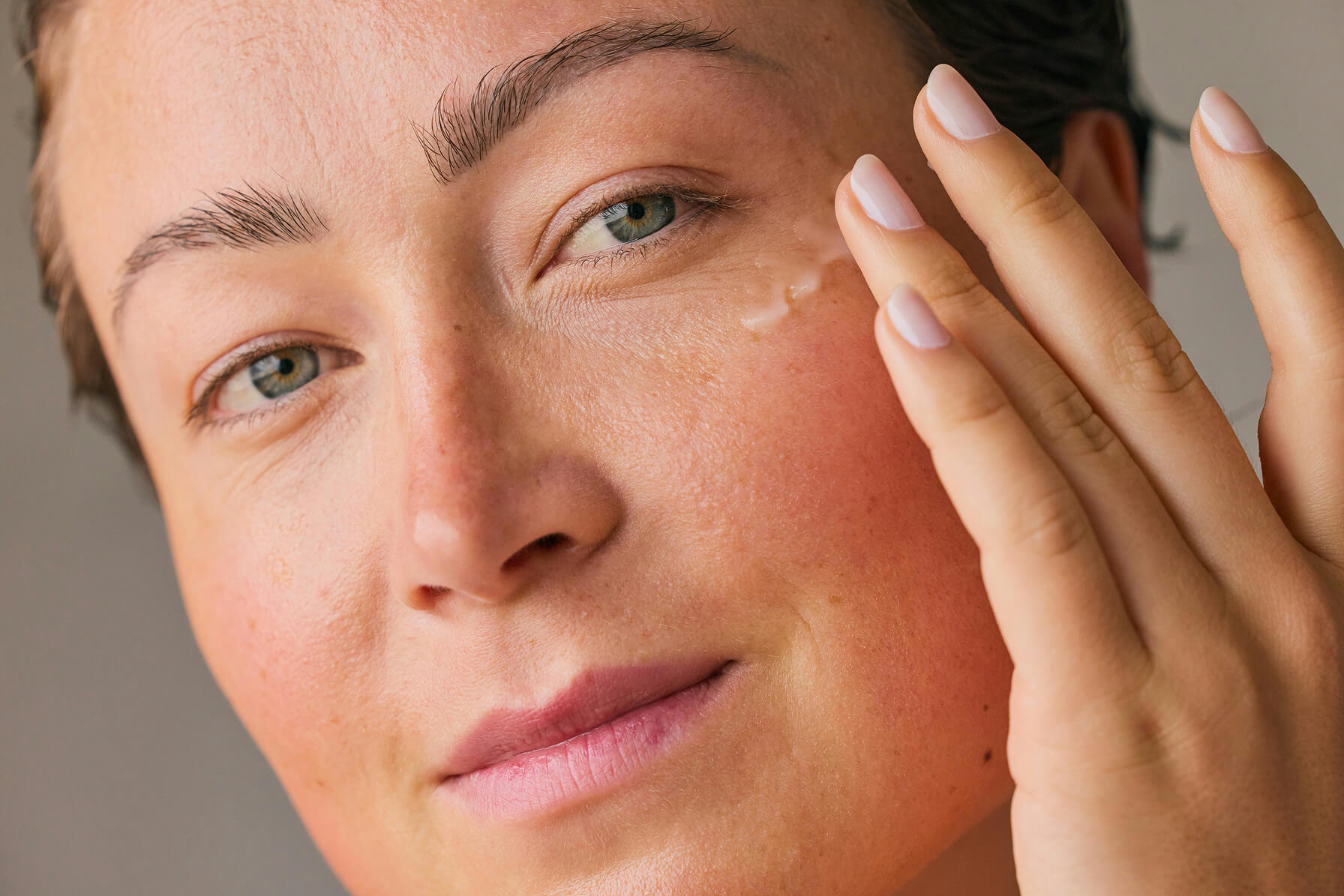
Lifestyle factors: Smoking, poor sleep, and other lifestyle habits can also affect skin health.

Because several factors can contribute to fine lines, treatment should focus on the specific type and location of the lines rather than age alone.
What Treatments Can Help With Fine Lines?
The right treatment depends on where the fine lines appear, how noticeable they are, and what you want to improve. Common options include:
- Neurotoxins: Can soften expression lines caused by repeated muscle movement, such as forehead lines, frown lines, and crow’s feet.
- Microneedling: Can improve skin texture and stimulate collagen production, which may help with fine lines and overall skin quality.
- IPL: May help address sun damage and uneven pigmentation that can make signs of aging more noticeable.
- Skin resurfacing: Can improve certain concerns involving skin texture and visible signs of aging.
- Dermal fillers: May be considered when fine lines are associated with volume loss or changes in facial structure.
Not every fine line requires treatment, and you may not need more than one approach. A consultation can help determine which option is appropriate for your specific concern.
Can You Prevent Fine Lines From Getting Worse?
You cannot completely prevent fine lines, but you can take steps to protect your skin and reduce factors that can make them more noticeable.
Daily broad-spectrum SPF 30 or higher is one of the most important habits for protecting against UV-related skin aging. A consistent skincare routine, regular moisturizing, and avoiding tanning can also support healthier-looking skin.
It is also worth paying attention to changes early. If fine lines are becoming more noticeable, discussing your concerns with a qualified provider can help you understand your options before deciding whether treatment is right for you.
Fine Lines by Area: What Are You Noticing?
Fine lines can appear in different areas of the face, and the cause and treatment approach may vary depending on their location.
- Forehead lines: Often linked to repeated eyebrow movement and facial expressions.
- Frown lines (11 lines): Vertical lines that develop between the eyebrows from repeated frowning or squinting.
- Crow’s feet: Fine lines that form around the outer corners of the eyes, often becoming more noticeable when smiling or squinting.
- Bunny lines: Small lines that can appear along the sides of the nose with repeated facial movement.
- Lip lines: Fine lines around the mouth that can become more noticeable with age and repeated movement.
Recognizing where your fine lines appear can help you understand what may be contributing to them and what treatment options may be appropriate. If one of these areas is becoming a concern, a professional consultation can help you explore your options.
When Should You Treat Fine Lines in Different Areas?
The right time to treat fine lines depends on how noticeable they are and how much they concern you. You do not have to wait until lines become deep or prominent before discussing your options.
If you are beginning to notice forehead lines, frown lines, crow’s feet, bunny lines, or lip lines, addressing the concern early may be worth considering. At the same time, more established lines may require a different treatment approach.
The goal is not to eliminate every line. It is to decide what you want to improve and choose an approach that keeps your results natural-looking.
Why a Consultation Matters
Fine lines can have different causes, and the same treatment may not be appropriate for everyone. A consultation allows your provider to look at the specific area, understand what is contributing to the lines, and discuss realistic treatment options.
Treatment recommendations take into account your skin quality, facial anatomy, muscle movement, concerns, and goals.
You may decide that treatment is right for you, or you may find that a skincare routine and sun protection are all you need for now. The important thing is having the information to make a decision that feels right for you.
Is It Too Early to Treat Fine Lines?
It is not necessarily too early to discuss treatment when fine lines are still subtle. For some people, early treatment may be part of a preventative approach, while others may prefer to wait until lines become more noticeable.
There is also no need to treat every fine line you see. If your skin is healthy and you are comfortable with its appearance, sun protection and consistent skincare may be all you need.
The best time to consider treatment is when a specific concern matters to you and you want to explore whether treatment could help.
Conclusion
There is no perfect age to start treating fine lines. Some people choose to address early expression lines as part of a preventative approach, while others wait until their concerns become more noticeable.
What matters most is understanding what is contributing to your fine lines and choosing an approach that fits your skin and goals. Sun protection, consistent skincare, and professional guidance can all play a role in maintaining healthy-looking skin.
A consultation can help you understand your options and decide whether treatment is right for you. The goal is simple: subtle improvements that help you look refreshed while still looking like yourself.
Ready to Take the Next Step?
If fine lines are becoming more noticeable, you do not have to figure out your options on your own. Understanding what is causing the lines and what treatments may help is a good place to start.
At New You Aesthetics in Crown Point, Indiana, every treatment begins with a consultation. You can discuss your concerns, learn about your options, and decide whether treatment is right for you.
Ready to explore your options? Schedule a consultation with New You Aesthetics and take the next step toward natural-looking results.
Frequently Asked Questions
1. What age should you start treating fine lines?
There is no specific age. Some people consider treatment when early lines appear, while others wait until they become more noticeable.
2. Can fine lines be prevented?
Fine lines cannot be completely prevented, but daily sun protection, consistent skincare, and healthy habits can help protect your skin from factors that contribute to premature aging.
3. What causes fine lines?
Fine lines can be influenced by repeated facial expressions, sun exposure, and gradual changes in collagen and skin elasticity.
4. What treatments can help with fine lines?
Depending on the type and location of the lines, options may include neurotoxins, microneedling, IPL, skin resurfacing, or dermal fillers.
5. Should I treat fine lines as soon as I notice them?
Not necessarily. Treatment is a personal choice. A consultation can help you understand what is causing the lines and whether treatment is appropriate for your concerns and goals.
Visit Us


.png)
Monday: Closed
Tuesday: 10 AM – 6 PM
Wednesday: 9 AM – 5 PM
Thursday: 9 AM – 5 PM
Friday: 9 AM – 4 PM
Saturday: 9 AM –1 PM
Sunday: Closed

Med spa in Crown Point, Indiana offering treatments designed to refresh your appearance, restore confidence, and enhance the features that make you uniquely you.


.svg)